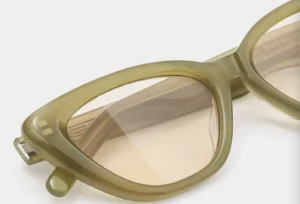
The generally understood glasses electroplating is a general term for various surface treatment processes, which are composed of multiple processes including pre-treatment, electroplating scheme, color spraying scheme, sealing scheme, and so on. Please read the introduction from the sunglasses manufacturers.
1. Surface treatment of common metal eyeglass frames
The common metals used in glasses basically refer to stainless steel and nickel-white copper alloy; before the electroplating process, the spectacle frames must be carefully polished (or sandblasted and matte) to ensure adhesion and subsequent electroplating. Finish.

Normal glasses electroplating basically uses water plating to transfer metal (such as gold, silver, etc.) to the surface of the spectacle frame. Some metal materials containing copper also need to be nickel-plated before electroplating.
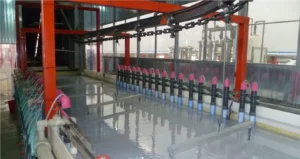
After the electroplating of the glass frame is completed, the coloring process can be done. The coloring method is basically the color spraying and baking process, but to ensure the adhesion of the spray color, the curing agent priming process must be performed first.
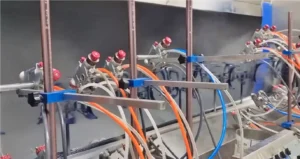
Ordinary metal frames need to be glued after finishing the coloring. Usually, electroplating frame oil (sealed paint) is used; sprayed on the surface of the spectacle frame, it has an excellent protective effect on the electroplating surface, good hardness, and strong adhesion, is resistant to alcohol and salt spray chemicals, and is a protective paint. There are two types of glue: spectroscopic glue and matte glue.
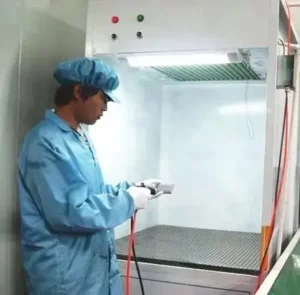
2. Surface treatment of titanium glass frames
Titanium metal glasses basically refer to pure titanium materials and β-titanium alloy materials; before the electroplating process of titanium metal eyeglass frames, they must be carefully polished (or sandblasted and matte) because the density of titanium metal materials is high. It’s harder to polish, so it’s more expensive.
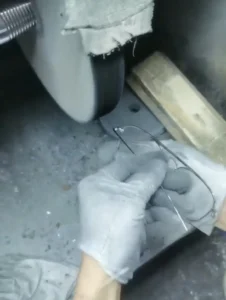
The method of titanium metal plating basically uses vacuum ion plating to transfer metal (such as gold, silver, etc.) to the surface of the spectacle frame. Vacuum plating has extremely strong adhesion, but the color is dark, so in the future, nickel will be added, and then water plating will be used. Solutions to enhance product gloss.
Titanium spectacle frames can be colored after the electroplating is completed. The method of adding color is basically a color spraying and drying process, but to ensure the adhesion of the spray color, the curing agent primer process must be carried out first.
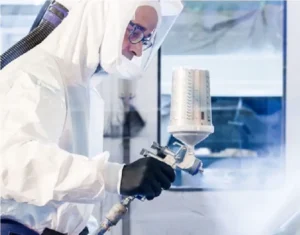
Once our team finishes coloring, technicians glue the titanium metal eyeglass frames. Typically, they apply electroplating frame oil or sealing paint. When they spray this material onto the frame surface, it provides outstanding protection for the electroplated layer, along with strong hardness and adhesion. Strong, alcohol- and salt-spray chemical-resistant protective paint. There are two effects of adding glue: spectroscopic glue and matte glue.
Color test standard
1. Hardness: 3-5H (hardness tester / Mitsubishi pencil / 500g load)
2. Adhesion: 100/100 (Baig method/3M600# tape)
3. Solvent resistance: 200 (wipe back and forth with a load of 500g until the bottom is exposed)
3. Surface Treatment of Metal Trim for Spectacle Assembly
Manufacturers mainly use nickel silver for metal ornaments on spectacle frames. This material sees broad application since it is easy to shape. Meanwhile, operators adopt water plating for these metal ornaments. However, they use barrel plating for small accessories that cannot be secured for fixed electroplating. Unfortunately, barrel plating delivers relatively weak adhesion and tends to fade easily.

Explanation: Recently, the state promulgated more stringent surface treatment standards for spectacle frames and put nickel-free plating on the agenda. Looking ahead, regulators will require manufacturers to mark spectacle frames with nickel-free plating labeling. This requirement protects consumers and guarantees safe wear.
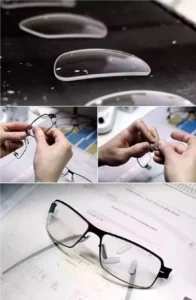
4. What is surface laser treatment of eyeglass frames?
Our technicians apply the spectacle frame surface laser process to print patterns onto frame surfaces once they finish surface pretreatment. The laser patterns do not compromise the adhesion of the electroplating layer, yet they may harm sprayed coatings. For this reason, manufacturers have upgraded this technology to a violet laser in recent years. This improvement effectively extends the product service life.
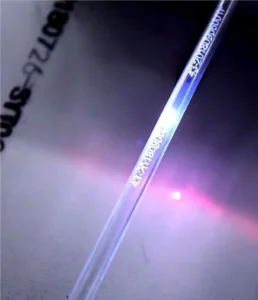
Common process method of glasses electroplating. Although different methods have different advantages and disadvantages, they can all apply a protective film on the surface of the glasses to extend the service life of the glasses and improve health. Custom sunglasses manufacturers attach great importance to the plating process and quality of glasses.